Music
Red Bull 64 Bars Is Back: South Africa’s Rap Game Just Got Real

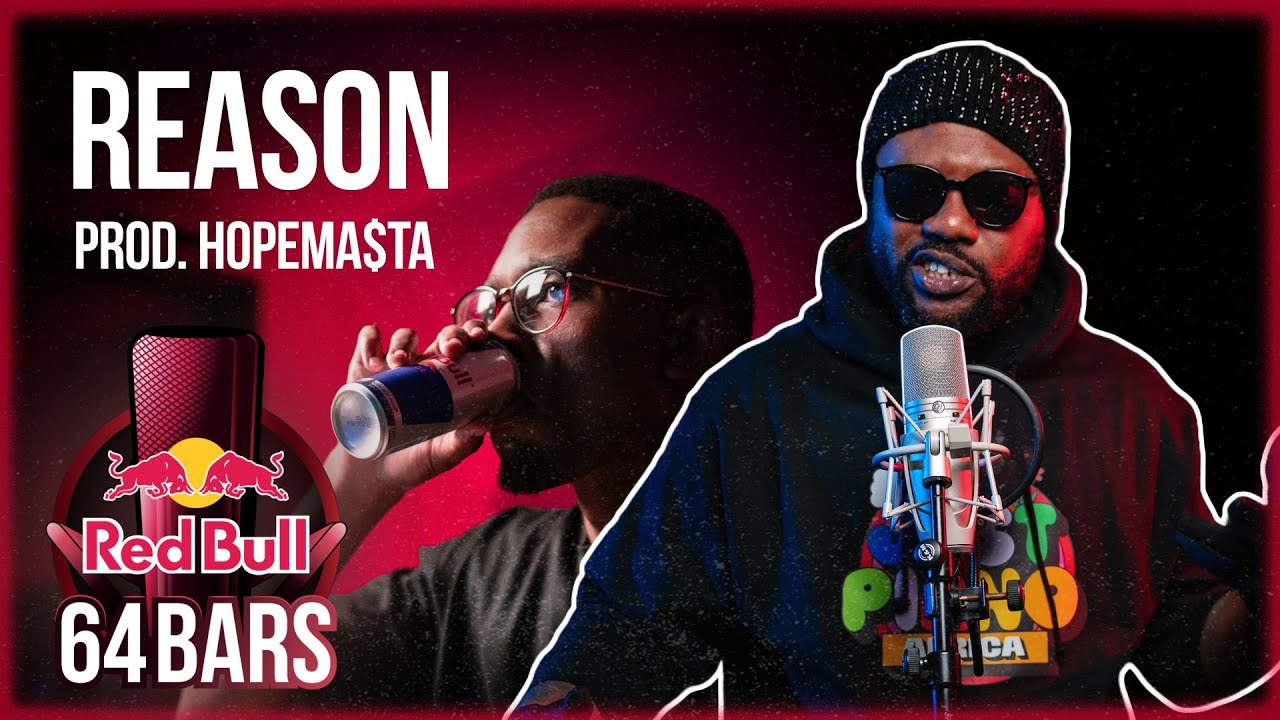
In the heart of Johannesburg, something big is brewing. You can feel it in the air, hear it in the streets, and see it on the faces of hungry MCs. Red Bull 64 Bars is back for its fourth season, and if the lineup is anything to go by, hip-hop fans are in for something special.
When the series first hit South African shores from Italy, it didn’t just arrive—it exploded. It stripped rap down to its rawest form. No hooks, no chorus, no fluff. Just 64 bars of unfiltered skill. It became the platform that separated the hype from the real, and this season is about to raise the bar even higher.
The Legends Are in the Building
Leading the charge this year is Reason, a lyrical giant whose name is etched into South African hip-hop history. When Reason steps in the booth, it’s more than just a performance—it’s a masterclass.
He’s joined by Tony Dayimane, known for his no-holds-barred energy, Kane Keid, whose flow is razor-sharp, and the introspective Kindly Nxsh, who delivers bars that hit just as hard as they make you think. These four set the tone for what’s already looking like one of the strongest lineups yet.
The New Wave Is Ready
As July wraps up, a fresh batch of talent is stepping up to the mic.
LOATINOVER POUNDS brings his genre-bending trap energy. Gigi Lamayne, always fearless and fiercely lyrical, commands attention from the moment she enters the room. Then there’s PHFat, who refuses to be boxed in by genre, and Ziggy4x, whose voice speaks directly from the streets.
Each artist adds a different flavor to the mix, proving that the next generation is not just ready—they’re already here.
From Unknown to Headliner
Some of the best stories in hip-hop start with a mic and a shot. That’s exactly what happened in 2024 when SirBelow Worldwide walked into a Johannesburg booth as a complete unknown. By the time he walked out, everyone was talking.
That same story is unfolding again, with this year’s Booth Tour hitting Cape Town, Durban, Port Elizabeth, Pretoria, and Johannesburg. From every corner of the country, thousands of unsigned rappers showed up with nothing but bars and a dream. The tour proved again that the mic doesn’t care who you are—if you’ve got it, you’ve got it.
The Culture Continues
Red Bull 64 Bars is more than a rap series. It’s a cultural moment. A space where raw talent meets professional production, where street cyphers meet studio sessions, and where South Africa’s best voices are finally getting the spotlight they deserve.
Season 4 is ready to launch, and every artist stepping into that booth knows what’s at stake. This isn’t about hype or fame. It’s about the bars. The storytelling. The truth.
The mic is on. The booth is open. South African hip-hop is ready to speak—loud and clear.
Follow the movement at redbull.com or @redbullza on all social platforms to catch new drops, episodes, and Booth Tour highlights.
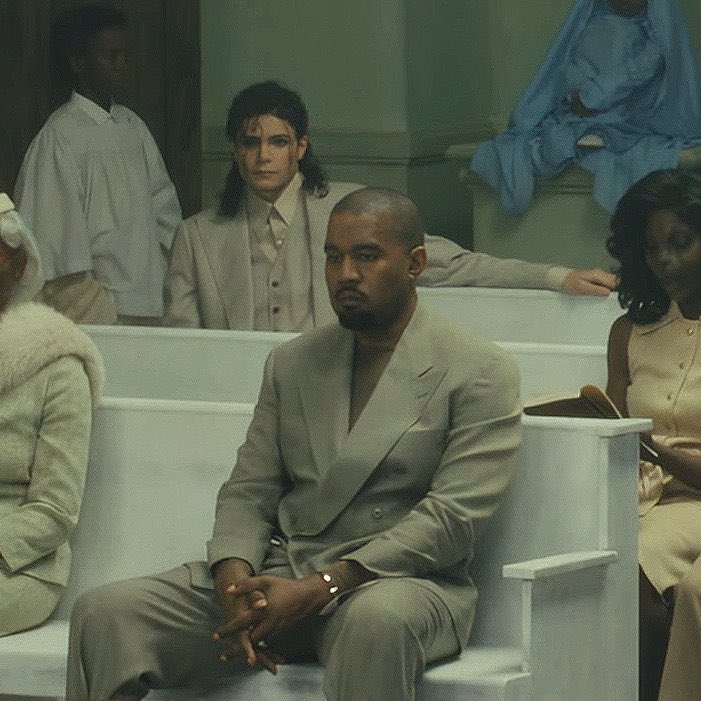
The official “FATHER” music video is out now, standing as one of the standout visuals from Kanye West’s 12th studio album.
The eerie, church-themed video directed by Bianca Censori leans heavily into the album’s spiritual tone, with haunting scenes and symbolic storytelling throughout. One detail fans quickly picked up 👀 is the appearance of a Michael Jackson look alike, adding an iconic and unexpected layer to the visual.
The album itself delivers 18 tracks with raw production and no AI involvement, featuring moments like “KING” referencing Kanye’s personal life. Early reactions are split — some calling it a return to form, others not fully convinced — but projections suggest a strong debut week.
Still, the “FATHER” video is leading the conversation right now. 🎬🔥
Did that Michael Jackson moment catch your eye? 👇🏽
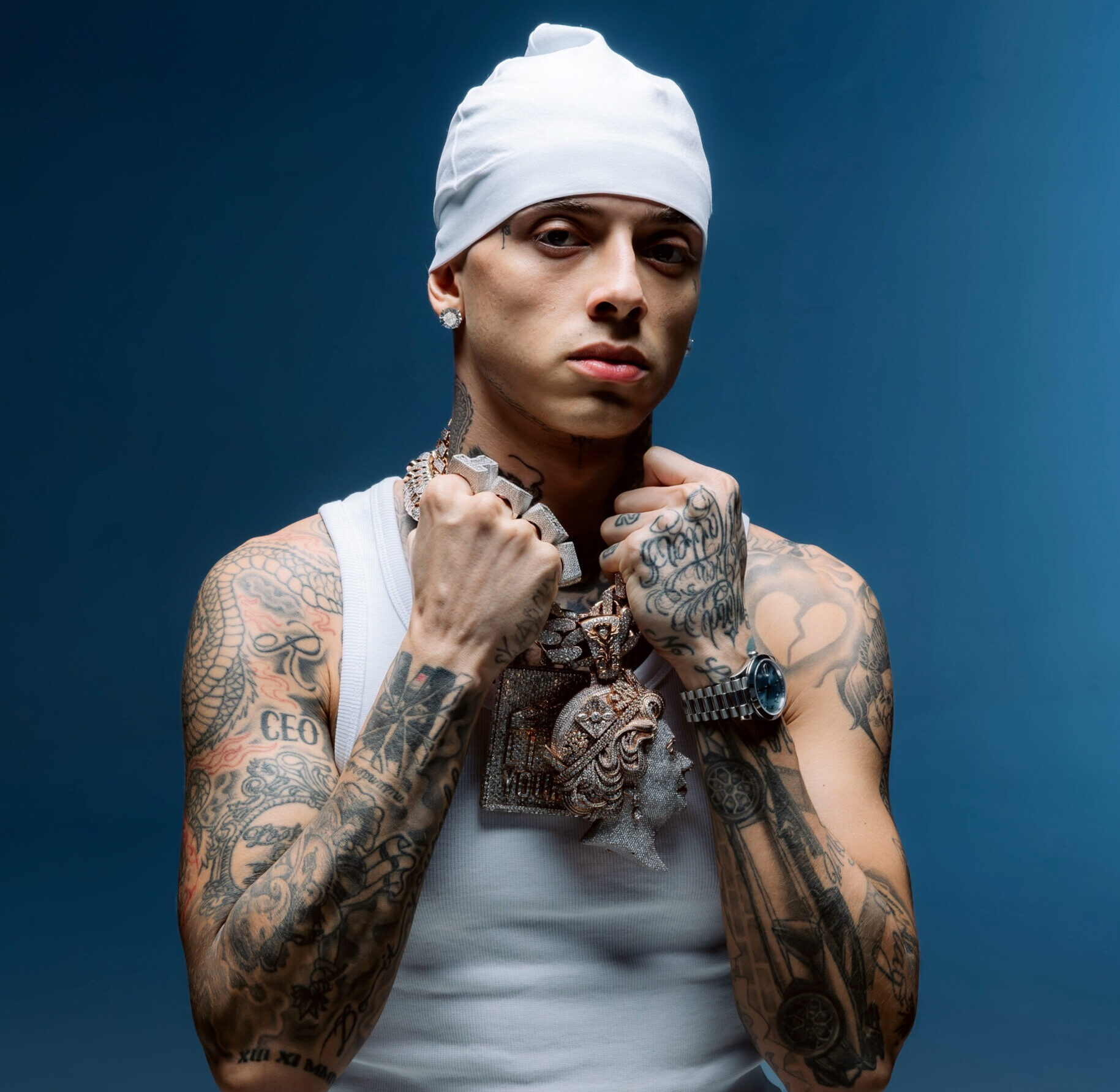
Central Cee Releases All Roads Lead Home EP
Central Cee steps into a reflective space with the release of his new EP, All Roads Lead Home. The 7-track project arrives at a moment where his global presence is undeniable, yet the focus here feels more grounded, a return to where it all started.
Following the momentum of standout records like “Iceman Freestyle” and “Slaughter” featuring J Hus, the EP blends sharp lyricism with moments of introspection. It’s a balance Cench has mastered over time, pairing confident delivery with glimpses into the realities behind the success.
Sonically, the project leans into his signature UK rap and drill influences while allowing space for more reflective tones. The title itself speaks to that idea ,no matter how far he’s gone, the journey always circles back home.
With All Roads Lead Home, Central Cee continues to evolve without losing his identity. It’s not just about maintaining momentum — it’s about understanding it, owning it, and building from it.
View this post on Instagram
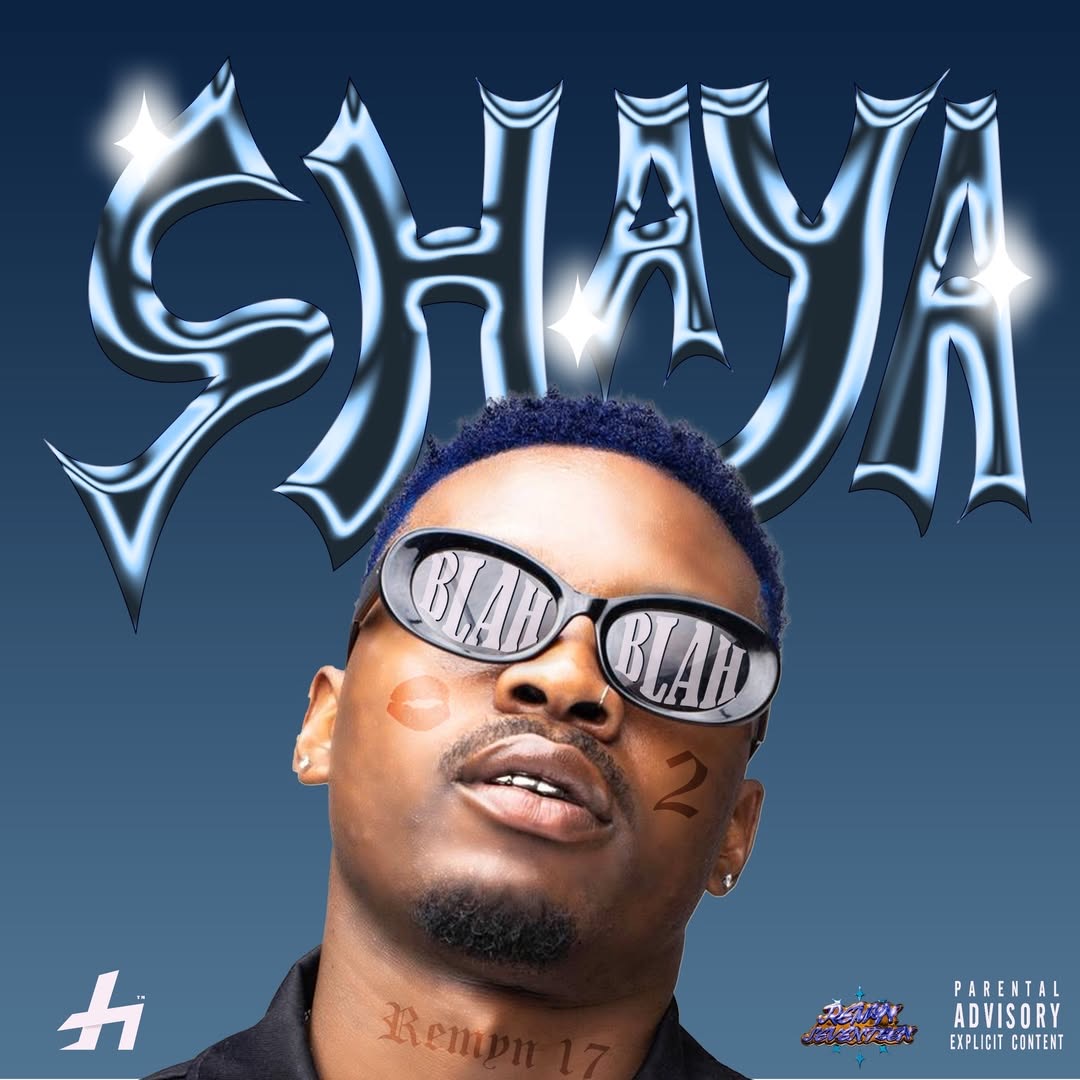
Remyn Seventeen returns with Shaya Blah 2, a 5-track EP that fuses hip hop with the energy of Bacardi music.
View this post on Instagram
Known for his street-rooted sound, he leans into heavy log drums and rhythmic grooves while maintaining a strong rap presence, creating a crossover that feels both natural and authentic.
The project reflects Pretoria’s township culture, balancing lyrical delivery with dancefloor-ready production.
With Shaya Blah 2, Remyn continues to explore the space between genres while staying true to his roots.

Kanye West & Travis Scott Drop “FATHER” Music Video

Central Cee Returns To His Roots On All Roads Lead Home

Remyn Seventeen Blends Hip Hop With Bacardi On Shaya Blah 2

Flash Cortez Drops New Single “Nthabiseng” Featuring Romeo ThaGreatwhite

Nasty C Relaunches Tall Racks as a Game-Changing Platform for Independent Artists

A-Reece Dismisses Beef With Nasty C Ahead of Same-Day Releases
-
 Music2 weeks ago
Hurricane Wisdom Steps Into A Global Lane With “Living Up”
-
 Music3 weeks ago
The Big Hash Wraps ‘Love Is A Star’ With Kabza De Small & Sly
-

 Around Mzanzi3 weeks ago
Lewi Ercoll & Ukhona Honor A Legend With “TOO LATE”
-
 Music1 week ago
Central Cee Returns To His Roots On All Roads Lead Home
-
 Around Mzanzi3 weeks ago
Lucasraps Steps Into “Year Of Greatness” Mode
-
 Music2 weeks ago
Remyn Seventeen Blends Hip Hop With Bacardi On Shaya Blah 2
-
 Fashion3 weeks ago
AKA Premium Clothing Brand Unveils “Drop 001” Honouring Supa Mega’s Enduring Legacy
-
 Music3 weeks ago
Jemapelle James Taps Sishii For Soulful New Drop “Yoh”